

Celebrating Cycling History: The Impact of Marshall Major Taylor and the Star Wheelmen Parade

Cycling has long been more than just a sport or a mode of transportation. It has served as a platform for social change, community pride, and personal achievement. One of the most remarkable chapters in cycling history is the story of Marshall "Major" Taylor, the first Black world champion of cycling, and the vibrant parade led by the Star Wheelmen in 1897. This event not only showcased athletic excellence but also symbolized resilience and unity during a time of widespread racial discrimination.

The Rise of Marshall "Major" Taylor
Marshall Taylor emerged as a pioneering figure in the late 19th and early 20th centuries. Born in 1878, Taylor faced significant racial barriers but rose to international fame through his extraordinary talent and determination. He became the first Black athlete to win a world championship in cycling in 1899, a milestone that challenged prevailing racial prejudices and inspired countless others.
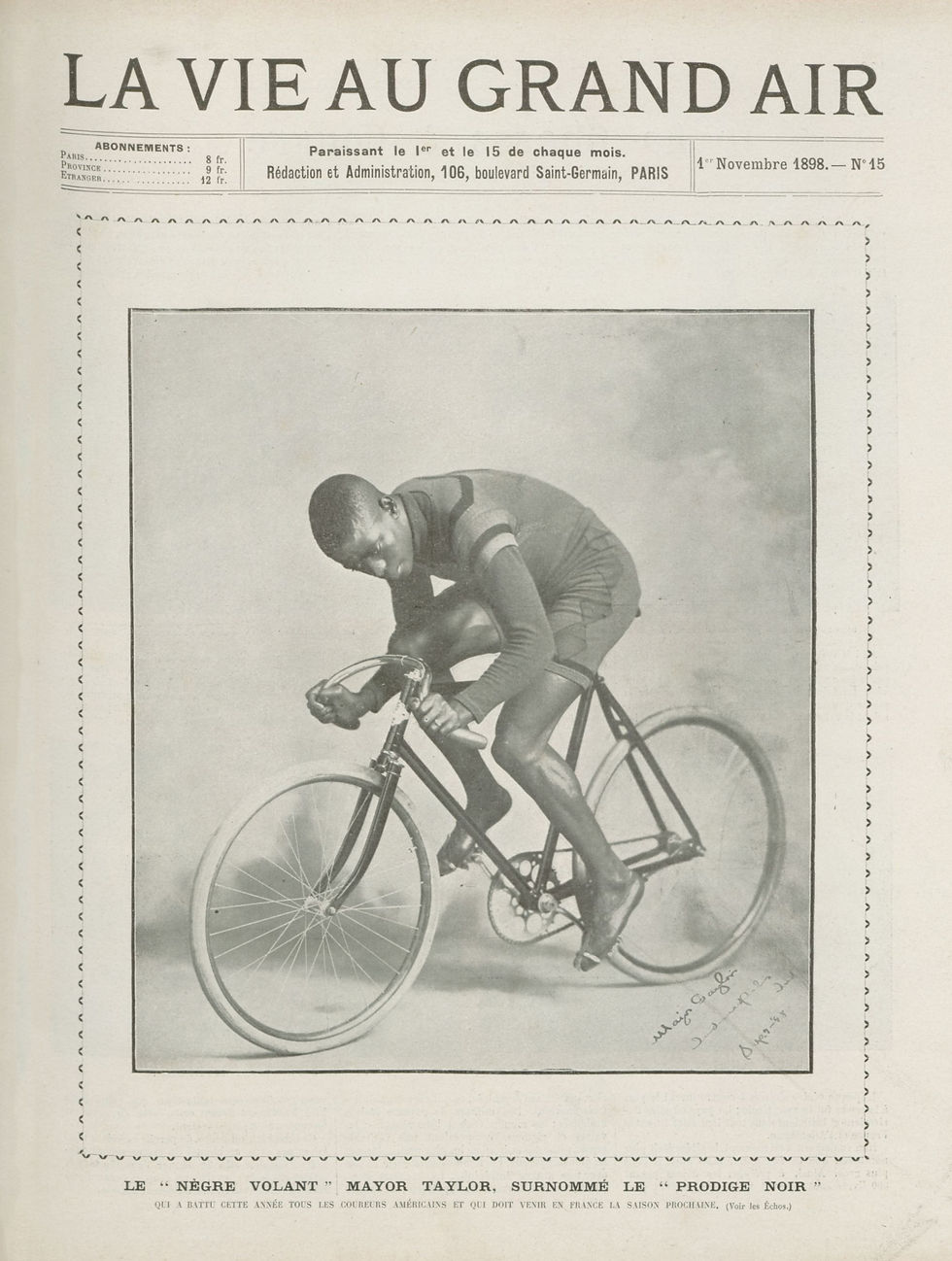
Taylor’s success was not just about winning races. It was about breaking down barriers in a sport dominated by white athletes and proving that excellence knows no color. His achievements brought attention to the broader African American community’s contributions to sports and society during a period when segregation and discrimination were rampant.

The Star Wheelmen Parade of 1897
In the spring of 1897, the streets of the city came alive with excitement as the Star Wheelmen, a distinguished African American cycling club, organized a grand parade. This event was more than a celebration of cycling; it was a powerful statement of pride and unity.

The parade began at the intersection of Eighth and Chestnut Streets, where the Star Wheelmen assembled in matching uniforms, their bicycles polished to a shine. A full brass band played lively marches and ragtime tunes, setting a festive tone as the riders moved in perfect formation.
The route was carefully planned to pass through key parts of the city: from Eighth Street to Kaighn Avenue, then Sixth, Pine, Mt. Ephraim Avenue, back to Eighth, Chestnut, Third, Spruce, and Fourth Streets. The procession ended with a jubilant lawn party at 419 Mt. Vernon Street, where guests gathered to honor the occasion.
Key Figures and Their Roles
Several respected members of the city's first African American cycling organization rode proudly in the parade. Charles T. Cannon, Benjamin Kaighn, William Robinson, and John Duckery were among the prominent cyclists who represented the Star Wheelmen. Their presence underscored the club’s reputation for skill and sportsmanship.
Levinia Cooper stood out as the club’s only Black woman member. Her participation drew admiration from the crowds, symbolizing both athletic ability and social progress. Cooper’s poise and determination made her a role model, highlighting the importance of inclusion and representation in sports.

The parade also featured honored guests from other cycling clubs, including the Duker Wheelmen and Magnolia Wheelmen of Philadelphia. Their banners fluttered as they rode alongside the Star Wheelmen, demonstrating solidarity and shared commitment to the sport.
The Parade’s Broader Significance
The 1897 Star Wheelmen parade was more than a public spectacle. It was a declaration of identity and strength in a society that often marginalized African Americans. At a time when many public spaces were segregated or closed to Black citizens, the sight of these cyclists confidently riding through city streets sent a clear message: African Americans claimed their place in the modern world.

The music, the uniforms, and the carefully choreographed route all contributed to an image of dignity and pride. The event celebrated Black excellence on wheels and challenged stereotypes by showcasing discipline, teamwork, and joy.
This parade also helped build community connections. It brought together cyclists, families, and supporters, creating a shared experience that reinforced social bonds. The lawn party at the end of the route was a space for celebration and reflection, where stories were shared and future plans discussed.

Legacy and Lessons
The story of Marshall Major Taylor and the Star Wheelmen parade offers valuable lessons for today’s history lovers and advocates of Black history. It reminds us that sports can serve as a powerful platform for social change and community empowerment.

Taylor’s achievements opened doors for future generations of athletes, while the parade demonstrated how public events can foster pride and challenge discrimination. These moments in cycling history deserve recognition not only for their athletic significance but also for their cultural and social impact.

By remembering these stories, we honor the courage and determination of those who paved the way. Their legacy encourages us to celebrate diversity, support inclusion, and recognize the many ways that sports and community events shape our shared history.


Wonderful story of athleticism and resilience. Thanks for uncovering and bringing this to light.