

Effective Cemetery Preservation Techniques: Honoring History with Care

In the quiet stillness of a cemetery, stories whisper through the rustling leaves and weathered stones. These sacred grounds are more than resting places; they are living archives of our collective past, bearing witness to generations long gone yet never forgotten. Preserving cemeteries is a delicate art, one that requires respect, knowledge, and a gentle hand. As someone deeply moved by the echoes of history, I have come to appreciate the profound responsibility involved in cemetery preservation. It is a task that blends reverence with practical care, ensuring that the memories etched in stone endure for future generations to reflect upon and cherish.
Understanding Cemetery Preservation Techniques
Preserving a cemetery is not merely about maintaining its physical appearance; it is about safeguarding the stories and heritage embedded within its grounds. Effective cemetery preservation techniques encompass a range of practices, from cleaning and repairing headstones to managing the landscape and documenting historical records. Each technique plays a vital role in maintaining the dignity and integrity of these hallowed spaces.
One of the foundational steps in cemetery preservation is assessment. Before any work begins, it is essential to evaluate the condition of the site thoroughly. This includes identifying damaged or unstable monuments, assessing vegetation overgrowth, and noting any signs of vandalism or neglect. A detailed survey helps prioritize interventions and ensures that preservation efforts are both respectful and effective.
Cleaning headstones, for example, must be approached with care. Harsh chemicals or abrasive tools can cause irreversible damage to delicate stone surfaces. Instead, gentle cleaning with soft brushes and water, sometimes combined with specially formulated conservation solutions, can remove dirt and biological growth without harming the inscriptions. This careful approach helps reveal the names and dates that connect us to the past.

Practical Cemetery Preservation Techniques for Lasting Impact
When it comes to hands-on preservation, several techniques stand out for their effectiveness and sustainability. These methods not only protect the physical elements of the cemetery but also enhance its accessibility and educational value.
Monument Stabilization and Repair
Over time, headstones and monuments may lean, crack, or even topple. Stabilizing these structures often involves resetting stones on secure foundations or using reversible adhesives and supports. It is crucial to document all repairs meticulously, preserving the monument’s historical authenticity.
Vegetation Management
Trees, shrubs, and grass can both beautify and threaten a cemetery. Roots may disrupt gravesites, while overgrown plants can obscure markers. Regular trimming, selective planting, and the removal of invasive species help maintain a balanced landscape that honors the site’s solemnity.
Erosion Control and Drainage
Soil erosion can expose graves and destabilize monuments. Installing proper drainage systems and using ground covers or retaining walls can prevent water damage and soil loss, preserving the cemetery’s structural integrity.
Documentation and Mapping
Creating detailed maps and records of burial sites, inscriptions, and historical data is invaluable. Digital databases and photographic archives ensure that even if physical markers deteriorate, the information remains accessible for research and remembrance.
Community Engagement and Education
Encouraging local involvement through volunteer programs, guided tours, and educational workshops fosters a sense of shared stewardship. When people understand the significance of a cemetery, they are more likely to support its preservation.

The Role of Mount Peace Cemetery Preservation in Honoring Heritage
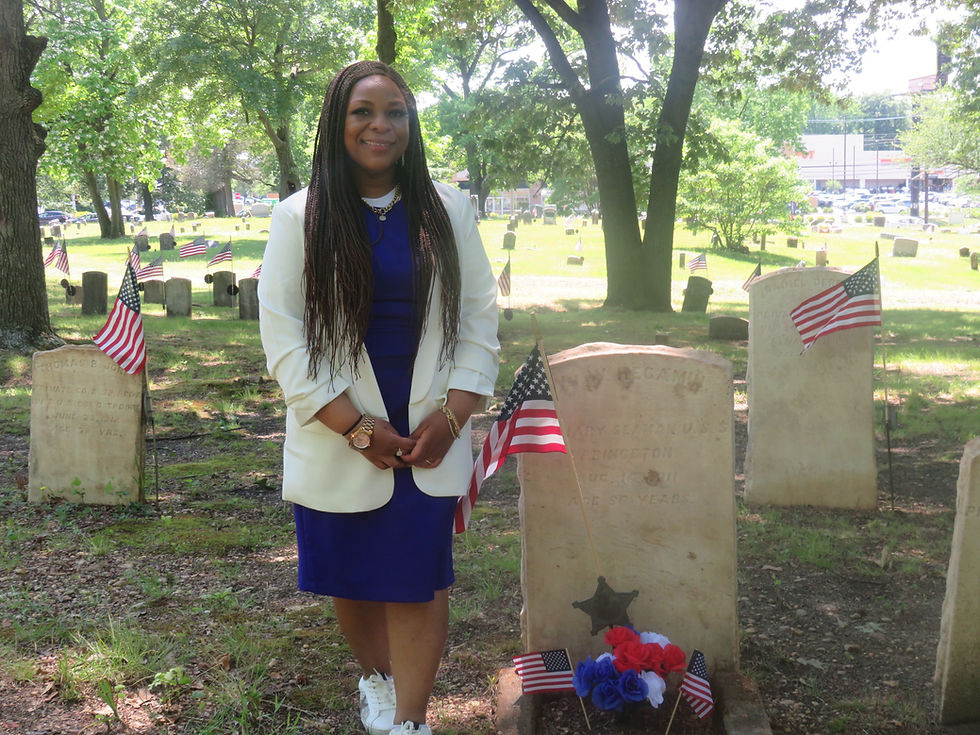
Among the many cemeteries that stand as testaments to history, mount peace cemetery preservation exemplifies a profound commitment to honoring African American heritage. This sacred ground holds the stories of countless individuals whose lives shaped the community and whose legacies deserve to be remembered with dignity.
The preservation efforts at Mount Peace Cemetery go beyond physical restoration. They embrace education, community involvement, and cultural recognition. By restoring monuments, maintaining the landscape, and sharing the rich history of those interred, the association ensures that the cemetery remains a vibrant place of reflection and learning.
Their work reminds us that cemetery preservation is not just about stones and soil; it is about connecting the past to the present and inspiring future generations to value the heritage entrusted to their care.
Challenges and Solutions in Cemetery Preservation
Preserving cemeteries is not without its challenges. Weathering, vandalism, funding limitations, and environmental factors all pose threats to these fragile sites. However, with thoughtful strategies and community support, these obstacles can be overcome.
Weathering and Environmental Damage
Exposure to rain, wind, and temperature fluctuations gradually erodes stone and wood. Using protective coatings designed for historic materials and scheduling regular maintenance can mitigate this damage.
Vandalism and Security
Sadly, cemeteries sometimes fall victim to vandalism. Installing discreet security measures such as lighting, cameras, and community watch programs can deter destructive behavior while respecting the site’s tranquility.
Funding and Resource Allocation
Preservation projects often require significant financial investment. Grant applications, fundraising events, and partnerships with historical societies can provide necessary resources. Transparency and community involvement in these efforts build trust and enthusiasm.
Balancing Access and Preservation
While public access is important for education and remembrance, it must be balanced with protection. Clear pathways, informative signage, and visitor guidelines help maintain respect and prevent accidental damage.
By addressing these challenges with care and creativity, we can ensure that cemeteries remain places of honor and peace.
Breathing Life into History: The Ongoing Journey of Preservation
The journey of cemetery preservation is ongoing, a continuous act of love and respect that bridges time. Each stone cleaned, each monument stabilized, and each story shared breathes life into history, allowing it to resonate anew.
As I reflect on the delicate beauty of these sacred spaces, I am reminded that preservation is a collective act. It calls upon us to listen closely to the whispers of the past and to respond with kindness and dedication. Through thoughtful techniques and heartfelt commitment, we can ensure that cemeteries remain not only as places of rest but as vibrant chapters in the story of our shared humanity.
In embracing this responsibility, we honor those who came before us and inspire those who will follow, weaving a tapestry of memory that endures beyond the passage of time.


Comments