

The Remarkable Black Cherry Tree A Vital Resource for Freedom Seekers and Native Communities
Updated: Aug 5, 2025
Mount Peace Cemetery stands as a serene sanctuary, not just for its peaceful atmosphere but also for the native black cherry trees (Prunus serotina) that flourish there. While some may dismiss the black cherry as a "weed tree," it has historically played a vital role in the lives of many, including both humans and animals.
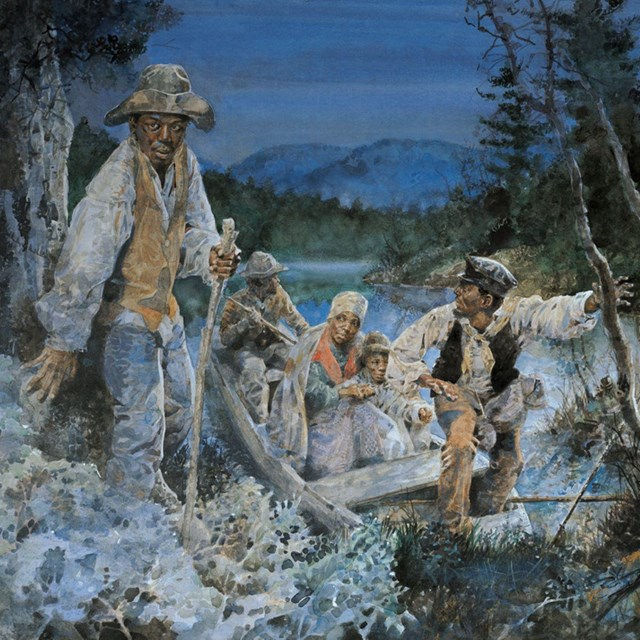
As the story of America's freedom seekers unfolds, it is clear how deeply these individuals relied on their understanding of the land. In their journeys northward, they used their knowledge of local plants to find food. The black cherry became a significant resource—a source of sustenance during challenging times.
The Historical Significance of Black Cherry Trees
Freedom seekers often ventured into unknown territories, where knowledge of the local terrain was essential for survival. The wild black cherry tree, with its dark fruits appearing from late summer to autumn, provided an important food source.
While these cherries are not particularly sweet and might be described as having a slightly bitter flavor, they were plentiful and easy to find in many regions. For those traveling in search of freedom, the availability of black cherries may have made a critical difference. Research indicates that foraging from natural sources like these could boost nutritional intake, helping sustain individuals on long journeys.
Black Cherry Trees: Maturity and Fruit Production
The growth timeline of black cherry trees is fascinating. They typically take about ten years to start showing growth, but they reach their peak productive age around 30 years, when they yield a substantial crop.

Once mature, these slender trees produce clusters of small, shiny fruits that glisten under the sun, attracting foragers who understand how essential these trees are for survival. The joy of discovering these fruitful branches would have been a beacon of hope for those on their quest for liberation and new beginnings.

Native American Uses of Black Cherries
The importance of black cherries extends well beyond their role as food for freedom seekers. Indigenous peoples incorporated these fruits into their diets, using them fresh and dried. They were particularly significant in making pemmican, a nutrient-dense food that sustained many during long travels. Studies show that pemmican could have calorie counts of up to 400 calories per serving, crucial for high-energy activities.
Additionally, Native Americans utilized the black cherry tree for medicinal purposes, recognizing its healing properties. The bark could be ground into powder and used to brew tea, effective for treating respiratory conditions. Today, black cherry is still acknowledged for its cough-suppressing qualities, with many cough syrups featuring extracts from its bark, continuing a tradition that spans generations.

The Wood of the Black Cherry Tree
The black cherry tree's contributions also reach into craftsmanship. Artisans and woodworkers have long appreciated cherry wood for its quality, durability, and beautiful reddish-brown hue. This wood's fine grain makes it a preferred material for crafting timeless furniture and intricate decor that lasts.
Woodworkers often seek black cherry for its versatility. It can be shaped into everything from sturdy tables to delicate intricacies, making it invaluable for both functional and decorative art. This connection between the black cherry tree and craftsmanship highlights how intertwined it is with human creativity and culture.
Environmental Contributions of Black Cherry Trees
Beyond their historical and cultural significance, black cherry trees provide vital environmental benefits. As a native species, they support local biodiversity, attracting a variety of wildlife, such as birds and mammals that enjoy their fruits.
During the blooming season, these trees become essential food sources for pollinators, inviting bees and birds to flourish in their shade. The role of the black cherry tree in the ecosystem reflects the broader interdependence found in nature, much like the resilience and determination shown by freedom seekers in their quests for survival.
Raising Awareness of Black Cherry Trees
Understanding the significance of black cherry trees is an important step in appreciating their historical legacy. By preserving and celebrating these trees, communities can honor the stories of those who traveled these paths long ago.
Involvement in planting and preserving native species can deepen our connections to the land's history. Educational initiatives can inspire a greater understanding of black cherry trees and their crucial role in the ecosystem and human culture.
A Living Legacy
The black cherry tree represents more than mere vegetation in Mount Peace Cemetery; it serves as a living testament to the resilience of freedom seekers and the cultural richness of Native American traditions.
From offering nourishment to providing medicinal resources, black cherries symbolize hope and survival—a bittersweet reminder of the struggles faced by many. Recognizing and preserving the black cherry tree not only honors the past but also highlights the interconnectedness of humans and nature, urging present and future generations to celebrate and protect this important resource.
Reflecting on the contributions of the black cherry tree inspires gratitude and a sense of responsibility to safeguard our natural heritage.
By embracing the legacy of the black cherry tree, individuals can become stewards of their environments, ensuring that the histories of community and perseverance are passed down through generations. In doing so, they carry forward the spirit of those who walked these journeyed paths long ago.


Beautiful, insightful piece on the black cherry tree. Thank you.